

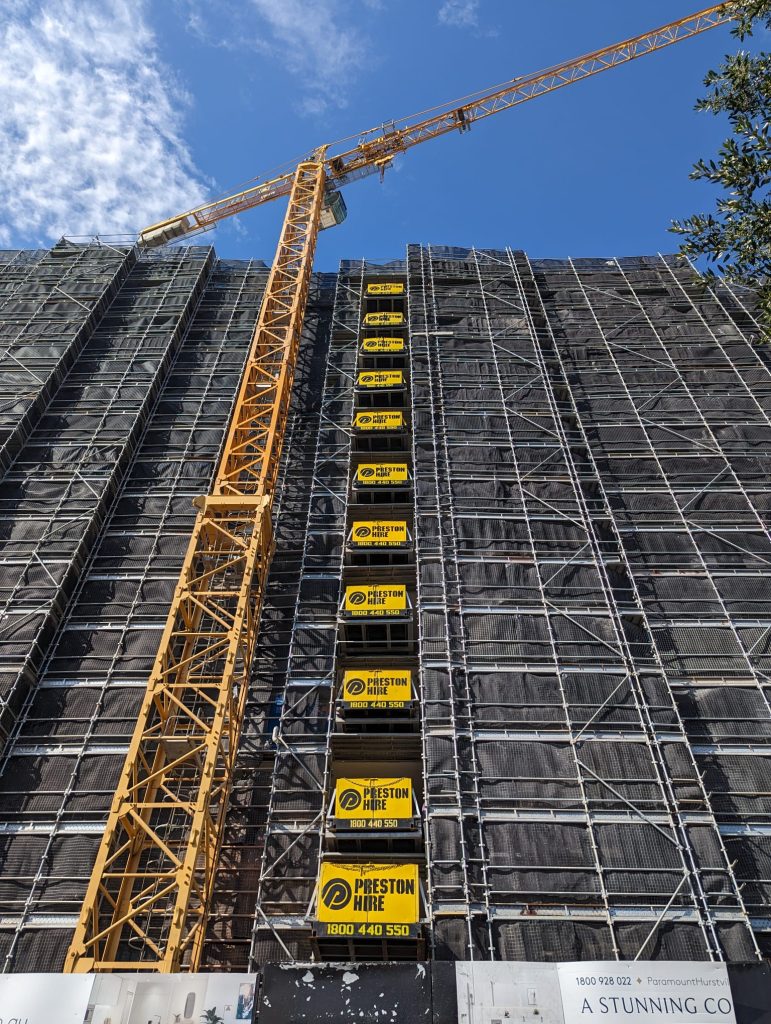
Loading Platform vs Scaffolding: Which Is Better for Construction?
Stop me if you’ve heard this one before…
You’ve got scaffolding up, the job’s moving, but materials? They’re slowing everything down. Workers are carrying loads manually, lifts are taking longer than they should, and what should be a smooth workflow starts to feel like a bottleneck.
It’s frustrating — because the structure is there, the team is ready, but the system isn’t built for efficiency.
That’s where the conversation around loading platform vs scaffolding really matters. Not because one replaces the other, but because one solves a problem the other simply wasn’t designed for.
In this article, you’ll see exactly why more sites are leaning towards loading platform hire — and whether it’s the right move for your project.
What Scaffolding Does Well (And Where It Falls Short)
Scaffolding is essential. There’s no debate there.
It gives your team:
- Safe access to height
- A stable working platform
- Coverage across large building areas
If your job involves façade work, installs, or finishing — scaffolding is doing exactly what it should.
But here’s the issue…
Scaffolding was never designed for moving materials efficiently.
When you rely on it for that, you end up with:
- Manual handling slowing things down
- Increased fatigue and safety risks
- Inefficient movement of bulk materials
It works — but it’s not optimised.
What a Loading Platform Does Differently
A loading platform is built with one clear purpose: get materials where they need to be, fast.
Instead of relying on workers to move items piece by piece, a loading platform allows you to:
- Lift bulk materials directly via crane
- Land them exactly where they’re needed
- Reduce unnecessary handling
- Keep workflow moving without interruption
It changes the way your site operates.
You’re no longer working around limitations — you’re removing them.
Loading Platform vs Scaffolding: The Real Difference
This isn’t just a comparison — it’s a shift in how you think about site efficiency.
Scaffolding helps your team work at height.
Loading platforms help your site move at speed.
When you rely only on scaffolding:
- Materials take longer to move
- Labour demand increases
- Small delays stack up
When you introduce a loading platform:
- Materials arrive in bulk, exactly where needed
- Crane time is used efficiently
- Your team spends more time building, less time carrying
That’s why more projects are moving towards loading platform hire not as a replacement, but as a performance upgrade.
Why More Construction Sites Are Choosing Loading Platform Hire
There’s a reason this shift is happening.
It comes down to three things: time, safety, and cost control.
1. Faster Project Timelines
Every minute spent moving materials manually is time lost. A loading platform removes that friction.
2. Improved Site Safety
Less manual handling means fewer injuries, less strain, and a safer working environment.
3. Better Use of Labour
Your team is there to build — not to act as a transport system.
4. Scalable for Larger Projects
As buildings get taller, inefficiencies grow. Loading platforms scale with your project — scaffolding alone doesn’t.
“Is Loading Platform Hire Worth It?”
This is the question most site managers ask — and it’s a fair one.
At first glance, it can feel like an added cost.
But look closer.
Without a loading platform, you’re paying for:
- Extra labour hours
- Slower material movement
- Potential delays
- Increased risk
With a loading platform, you’re investing in:
- Speed
- Efficiency
- Predictability
And in most cases, that trade-off pays for itself.
The Smart Approach: Use Both But Lean on Efficiency
Here’s the reality: you still need scaffolding.
But relying on it alone for everything? That’s where projects lose momentum.
The most efficient sites today use:
- Scaffolding for access
- Loading platforms for movement
But the difference is this, they lean on loading platforms to keep everything flowing.
Final Takeaway: Build Smarter, Not Harder
If your project is small and material movement is minimal, scaffolding alone might get the job done.
But if you’re working on anything with scale, height, or tight deadlines, sticking with scaffolding as your only solution can quietly hold you back.
A loading platform isn’t just an add-on — it’s a smarter way to run your site.
Ready to Speed Up Your Site?
If you want to reduce delays, improve safety, and keep your project moving, it’s time to look at a better system.


